

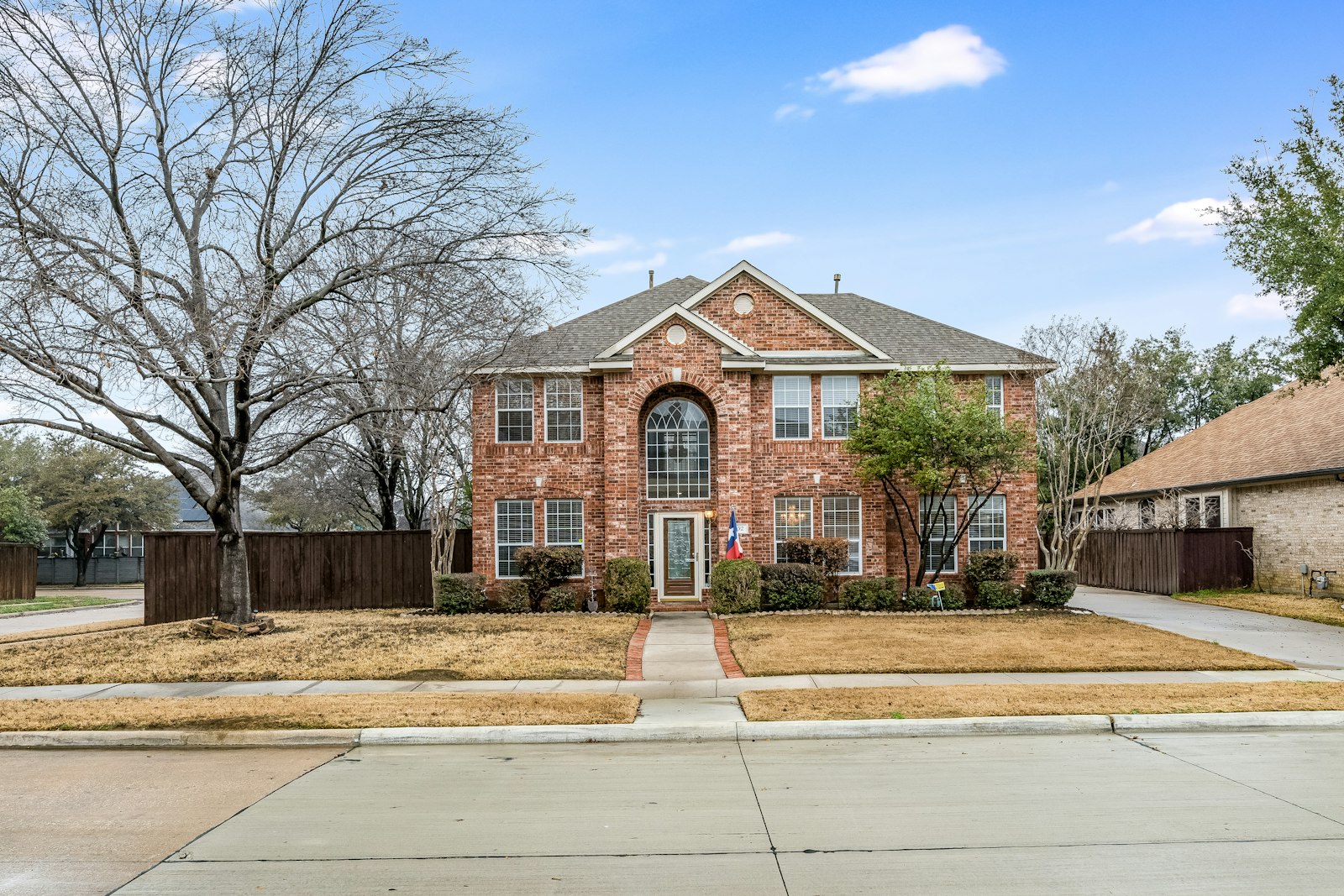
The Moving King is based on Rayford Road in Spring, so north Houston isn’t just part of our service area. It’s home. Spring, The Woodlands, Conroe, Tomball, Magnolia and the neighborhoods between them are some of the most popular places to move in Greater Houston, and each has its own practical quirks on moving day.
This guide isn’t a real estate pitch. It’s what we’ve learned about moving into and around north Houston that can help your move go more smoothly.
Key takeaways
- Many north Houston neighborhoods are master-planned or HOA-governed. Check for rules on moving trucks, parking and move times.
- Spring and The Woodlands span Harris and Montgomery counties, which affects things like utilities, school districts and some local services.
- Commuter corridors (I-45, the Hardy Toll Road, the Grand Parkway and FM 1960) shape both moving-day drive times and daily life.
- New-construction communities often have unfinished streets, builder traffic and closing-date timing to plan around.
A quick orientation
Spring
Spring is a large unincorporated area north of Houston that crosses the Harris and Montgomery county line. It ranges from established neighborhoods with mature trees to newer subdivisions, plus apartment communities along major roads and the historic Old Town Spring district. Because Spring isn’t a city, many services are handled by the county, utility districts (MUDs) and HOAs, so you’ll want to look up your exact address when setting up utilities.
The Woodlands
The Woodlands is a master-planned community with its own township government, villages, wooded streets and a strong network of parks and trails. Many neighborhoods have community associations with standards for things like curbside parking and how long containers or trailers can stay in a driveway. If you’re using a portable storage container or a rental truck, read the rules first.
Conroe and Lake Conroe
Conroe is the Montgomery County seat and has grown quickly, with new communities spreading out from the city and around Lake Conroe. Lake properties can mean long driveways, gated entries, sloped lots and narrow access roads, all useful details for your mover’s estimate.
Tomball, Magnolia and Cypress
To the west and northwest, these areas mix acreage properties, older town centers and large newer subdivisions. Acreage and rural lots sometimes come with gravel drives, gates or limited truck turnaround space.

Moving-day details specific to north Houston
- HOA and community rules. Ask about allowed hours, where the truck can park, and whether any notice is required. Some communities limit how long portable containers can stay.
- Trees and clearance. Low limbs over driveways and streets are common in wooded neighborhoods. Trimming them ahead of time makes it easier to get the truck close to the house.
- Cul-de-sacs and narrow streets. Let neighbors know a truck is coming, and ask them to keep the curb clear in front of your house if possible.
- Gated communities. Make sure the crew is on the gate list or has a code, and that the gate fits a moving truck.
- New construction. Confirm the builder has released the home, the driveway is finished, and you have keys before the crew is scheduled to unload. Closing delays are common, so leave some flexibility.
Getting around: what affects your drive (and your move)
Most moves within north Houston use a few main corridors:
- I-45 North, the main north-south route through Spring, The Woodlands and Conroe
- Hardy Toll Road, an alternative north-south route east of I-45
- Grand Parkway (SH 99), the outer loop connecting Spring, Tomball, Cypress and Katy
- FM 1960 and Rayford/Sawdust Road, busy east-west connectors
Rush hour on these routes can add real time between addresses on an hourly move. A morning start and a realistic route plan make a difference, which is one reason a local crew’s knowledge of the area matters. See how moving costs are calculated for how travel time fits into an estimate.
From our crews: In newer north Houston subdivisions, the most common surprise isn’t the house. It’s a street full of builder trucks and parked cars on a weekday. If you can, ask your builder or neighbors which days are quietest.
Settling in: first-week checklist for north Houston
- Set up electricity, water (often through a MUD in unincorporated areas), trash and internet for your exact address.
- Find your county: Harris and Montgomery handle things like vehicle registration and voter registration through their own county offices.
- Register with your HOA or community association and ask for the community rules if you didn’t get them at closing.
- Update your driver’s license address. Texas requires this within 30 days of moving, and you can usually do it online.
- Get rid of moving boxes. Many neighbors and online groups will happily take them, and junk haul-away is available too.
Frequently asked questions
Is Spring, Texas a city?
No. Spring is an unincorporated community in Harris and Montgomery counties, so many services come from the county, utility districts and HOAs rather than a city government.
Do HOAs in The Woodlands restrict moving trucks?
Rules vary by neighborhood and association. Check yours for any limits on parking, hours or portable storage containers before moving day.
Do you only move within north Houston?
No. We’re based in Spring and cover the whole Greater Houston metro, including Katy, Sugar Land, Pearland, League City and inside the Loop, plus Texas long-distance moves that start or end in Houston.
Sources and further reading
About this guide: Written by The Moving King team from our home base at 3431 Rayford Road, Ste. 200, Spring, Texas. North Houston is our backyard, and our crews move families across it every week.
Moving to or around north Houston? Request a free custom estimate or call (281) 790-6710.