

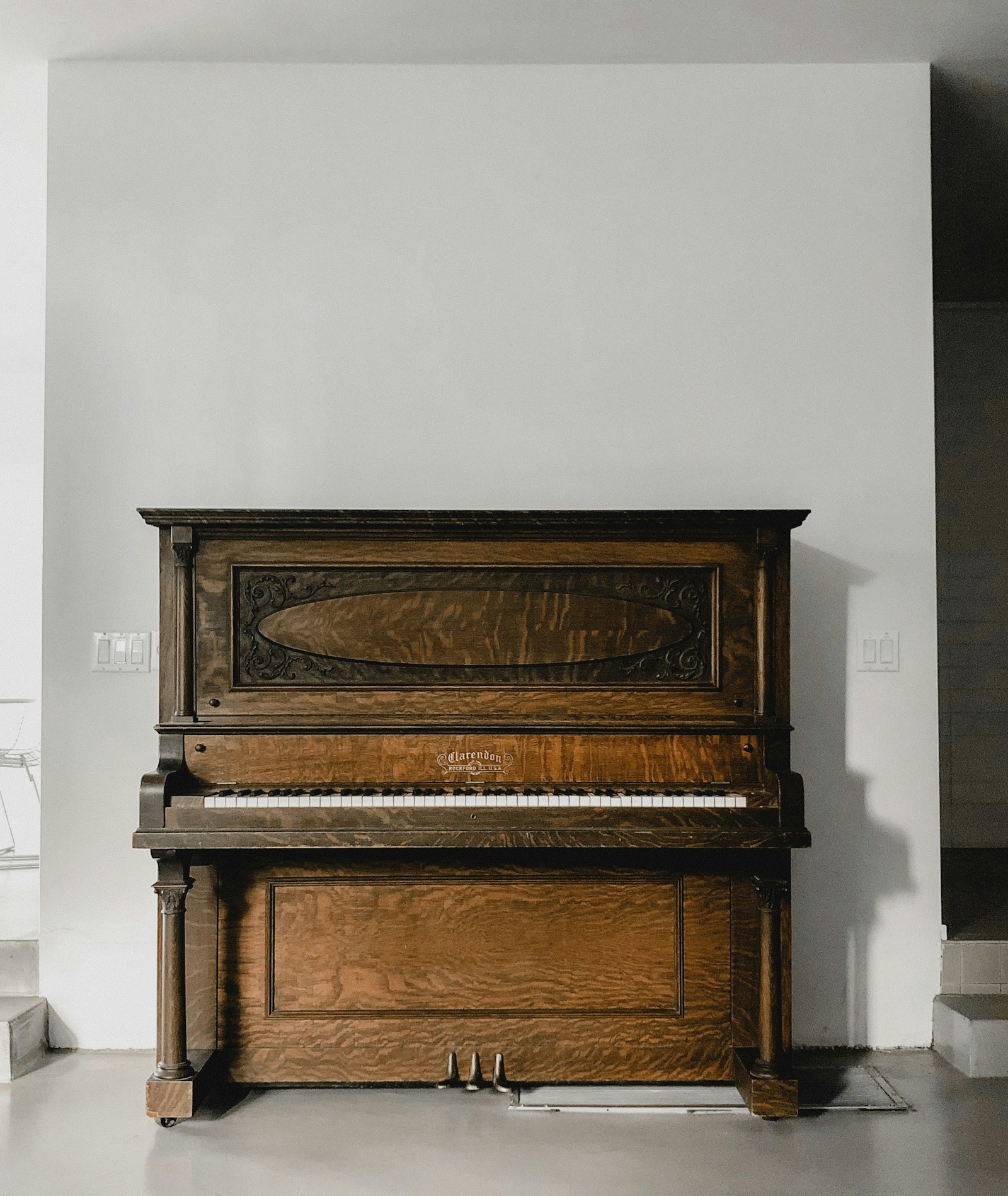
Every specialty item has a story. The upright piano that came from a grandparent’s house. The 700-pound gun safe that was installed before the drywall went up. The home gym that seemed like a great idea until it had to come down a staircase. These pieces are where an ordinary move can turn into a damaged floor, a broken item or an injury if they’re not planned properly.
That’s why The Moving King evaluates each specialty item individually before committing to move it. Here is what we, and any careful mover, look at, and what you can do to help.
Key takeaways
- Weight, dimensions, access and the path out of the home matter more than the item itself.
- Always mention specialty items when you request an estimate, so the right crew size and equipment are scheduled.
- Pianos need protection and careful tipping. Safes need weight-rated equipment and a floor plan. Gym equipment usually needs disassembly.
- Some items, like grand pianos up multiple flights or very large safes, may need a specialist. A good mover will tell you so.
The four questions we ask about every specialty item
- What is it, and roughly how much does it weigh? Make, model or a photo helps. Spec sheets for safes and gym equipment often list the weight.
- What are its dimensions? Will it fit through doors, around corners and into an elevator?
- What’s the path? Stairs (how many, and do they turn?), thresholds, flooring type, ramps, and the distance to the truck.
- What’s at the destination? Same questions on the other end, plus whether the floor can handle the load in the planned spot.
Pianos
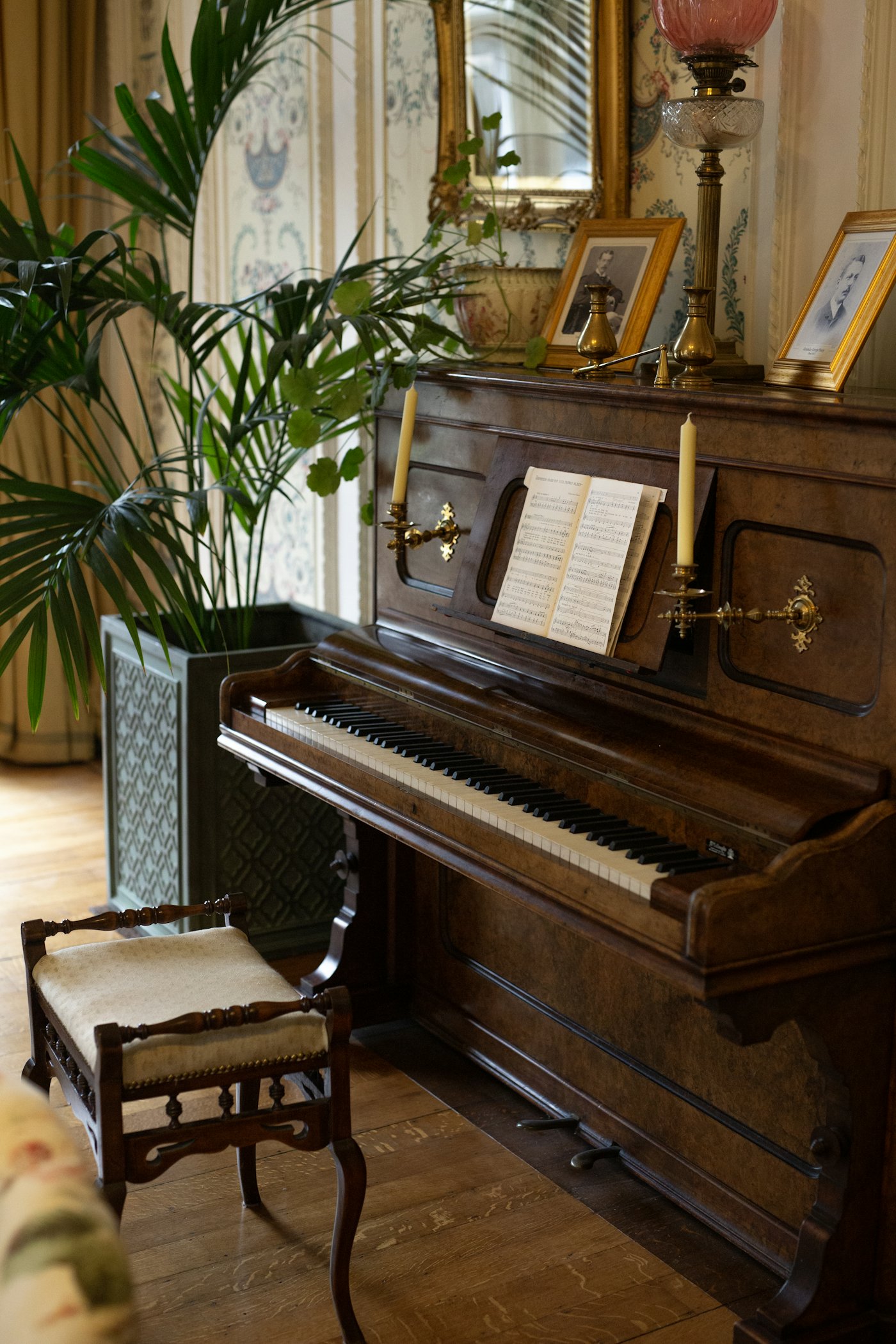
Pianos are heavy, top-heavy and delicate at the same time. Upright pianos commonly weigh several hundred pounds, and grand pianos can weigh considerably more and usually need their legs and lyre removed and the body moved on its side on a piano board.
- Protection: pads around the cabinet, the keyboard lid secured, and padding for corners and pedals.
- Equipment: piano dollies, straps and, for grands, a piano board.
- Stairs: a few porch steps are routine. Interior staircases, especially turning ones, need careful assessment and sometimes an extra crew member.
- After the move: plan to have the piano tuned once it has settled into its new environment. Temperature and humidity changes affect tuning.
Gun safes and heavy safes
Safes are dense and unforgiving. A large gun safe can weigh many hundreds of pounds, and some weigh over a thousand. The weight sits in a compact footprint, which is hard on floors, stairs and equipment.
- Empty it first. Remove firearms, ammunition, documents and valuables and move them yourself. An empty safe is lighter and safer to move.
- Know how it’s secured. Safes are often bolted to the floor. Unbolting is usually the owner’s job before moving day.
- Know the door. Keep the safe locked during transport so the door can’t swing. Make sure you know the combination or have the key.
- Floor protection: plywood or hardboard over finished floors spreads the load and protects surfaces.
- Destination planning: decide where it goes before the crew arrives. Moving it twice isn’t fun for anyone.
Gym equipment
Treadmills, ellipticals, cable machines, racks and heavy weight sets are awkward more than anything. Moving parts, loose cables and odd shapes don’t stack well on a truck.
- Disassembly: many machines need partial disassembly to fit through doors and travel safely. Find the owner’s manual (most are online) before moving day.
- Treadmills: many fold, and some have a locking mechanism for transport. Check the manual.
- Free weights: pack plates and dumbbells in small, sturdy boxes (or move them yourself in your vehicle) so no single box is dangerously heavy.
- Hardware: bag and label every bolt and tape it to the frame.
Antiques, oversized furniture and other high-care pieces
- Antique wood furniture: extra padding, careful handling of veneer and joints, and no stacking.
- Glass and marble tops: removed and moved separately in proper protection.
- Oversized sectionals and armoires: measure doorways and stairwells ahead of time. Sometimes disassembly or a different route is needed.
- Artwork and large mirrors: picture cartons or custom protection. See our room-by-room packing guide.
Honest note: We evaluate every specialty item before we commit. If a particular piece needs a specialist, such as a grand piano up a tight spiral staircase or a safe beyond safe handling limits for our equipment, we’ll tell you up front rather than risk your home, your item or our crew.
What to send your mover
- A photo of each item and of the path out (stairs, doors, turns)
- Make and model, or the weight if you know it
- Pickup and destination floor levels and any steps
- Where the item is going in the new home
Frequently asked questions
Can regular movers move a piano?
Often, yes, especially uprights on ground floors or with a few steps, as long as the crew has the right equipment and experience. Complex stairs or grand pianos need careful evaluation first.
Should I empty my safe before the move?
Yes. Remove firearms, ammunition, documents and valuables and transport them yourself.
Do I need to disassemble my home gym?
Usually some disassembly is needed. Tell your mover what you have, and check the manufacturer’s manual for moving instructions.
About this guide: Written by The Moving King team, a locally owned moving company in Spring, Texas. Specialty and heavy items are part of our regular work across Greater Houston, and each one is evaluated individually before we commit.
Have a piano, safe or home gym to move? Tell us about it in your free estimate request or call (281) 790-6710.