

If you have called around for movers in Houston, you have probably heard a lot of different hourly rates. That number feels like the price, but it isn’t. What you pay for a local move comes from how many hours the job takes, how many people and trucks it needs, and what the crew runs into at both addresses. Two families in the same size house can get very different bills because their moves are different jobs.
This guide explains how local moves in Greater Houston are priced, what changes the number, and how to make sure your estimate matches moving day.
Key takeaways
- Local moves are usually billed by time. Your home, your access and how ready you are decide how much time it takes.
- Stairs, elevators, long carries, furniture disassembly and specialty items add the most time, and they’re the details people most often leave out.
- A written estimate based on your actual inventory, with a walkthrough when the move is complex, is worth more than a low quoted rate.
- In Texas, a registered household goods mover has to give you a written proposal before loading your belongings.
Why the hourly rate isn’t your price
An hourly rate tells you what a crew costs for one hour. It doesn’t tell you how many hours you’ll pay for. A low rate with a slow, under-staffed crew can cost more than a higher rate with the right crew size and equipment. This is the main reason The Moving King doesn’t publish a flat hourly rate. A number pulled from a calculator before anyone knows about your stairs, your elevator window or your sectional is a guess, and you pay for the difference later.
The fairer question is: “Based on my home and my inventory, how long will this take, and what’s included?”
The factors that actually drive the cost of a local move
These are the same things we ask about before writing an estimate for a move in Spring, The Woodlands, Katy or inside the Loop:
| Factor | Why it changes the time (and cost) |
|---|---|
| Home size and volume | A 3-bedroom with a full garage can hold far more than a 3-bedroom that was recently downsized. Volume matters more than the bedroom count. |
| Access and long carries | Distance from the front door to where the truck can park. Gated communities, tight cul-de-sacs and apartment lots with limited truck parking all add walking time. |
| Stairs and elevators | Every flight of stairs slows a crew down. Shared elevators and reserved time windows in mid- and high-rises have to be planned around. |
| Disassembly and reassembly | Bed frames, cribs, sectionals, desks and dining tables with leaves take time to take apart safely and put back together. |
| Packing readiness | Boxes taped, labeled and stacked move fast. A kitchen that’s still being packed when the crew arrives does not. |
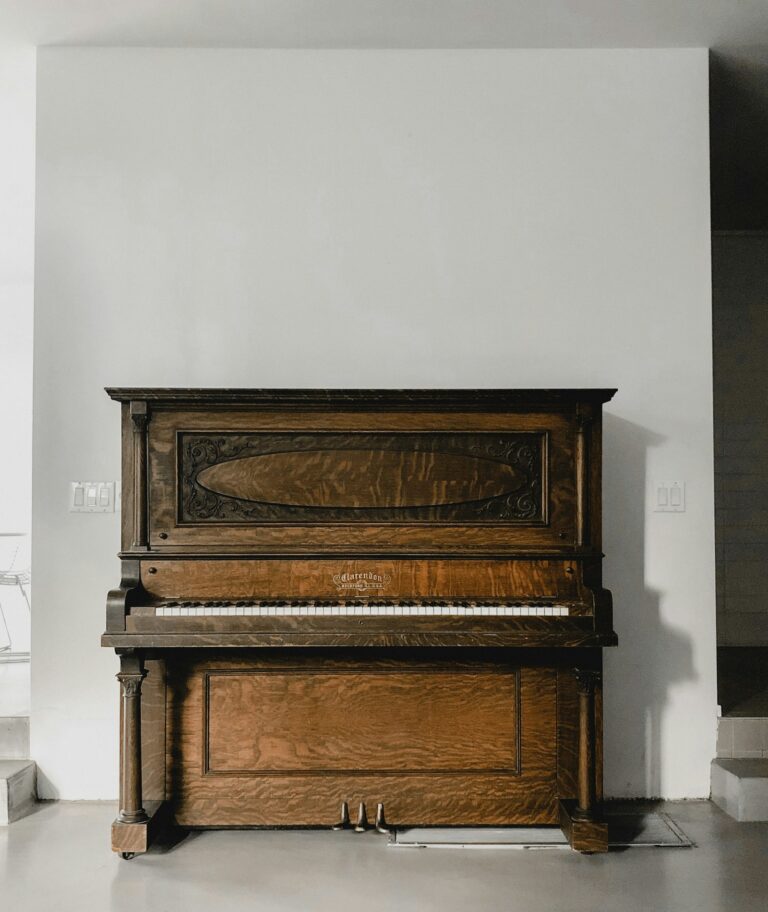
| Specialty and heavy items | Pianos, gun safes, gym equipment and antiques may need extra crew members, special equipment or extra protection. |
| Travel distance and crew size | Drive time between addresses, plus the number of movers and trucks needed to finish the job safely in a reasonable day. |
| Scheduling needs | End-of-month dates, weekends and tight move-in windows set by apartments or closings can affect availability and planning. |

Hourly billing vs. a written proposal: what Texas requires
In Texas, moving companies that carry household goods for hire have to be registered with the Texas Department of Motor Vehicles (TxDMV). Under TxDMV rules, a household goods carrier has to give the customer a written proposal before loading, even if an estimate was first given by phone. (See 43 Texas Administrative Code §218.56, linked in the sources below.)
In practice, ask for a written document that spells out:
- How you’ll be billed (hourly, or a set price for set services)
- The crew size and number of trucks
- When the clock starts and stops, including any travel or trip time
- Which services are included: furniture pads, shrink wrap, disassembly and reassembly, mattress bags
- Which services cost extra: packing materials, packing labor, specialty item handling, junk haul-away
- How valuation (liability for damage) works and what it covers
If a company won’t put these details in writing, treat that as a warning sign. Our guide to checking a Texas mover before you book covers more red flags.
What you can do to keep your moving cost down
You don’t control the hourly rate. You do control a lot of the hours. These are the habits that save the most time on the moves we see across Greater Houston:
- Finish packing before the crew arrives. Close and tape every box, and stack boxes by room near the front of the house or garage, not upstairs in closets.
- Reserve elevators and loading docks early. Get the reservation, plus any certificate of insurance the building requires, confirmed in writing. Our apartment and high-rise moving guide walks through the details.
- Clear a path and a parking spot. Move cars out of the driveway and let neighbors know a truck is coming, especially on narrow streets.
- Get rid of what you won’t use before moving day. Every item you donate, sell or haul away is one less item on the clock. Junk removal can be added to your move.
- Be specific about specialty items. A piano or 600-pound safe you didn’t mention can change the crew size and equipment on the day.
- Disassemble simple furniture yourself if you’re comfortable. Keep the hardware in labeled zip bags taped to the piece.
From our crews: The most common reason a local move runs long isn’t the furniture. It’s the last 10% that wasn’t packed: the pantry, the bathroom cabinets, the garage shelves. Pack those first, not last.
When a walkthrough makes sense
For a studio or a one-bedroom with clear details, a phone or video conversation is usually enough to write an accurate estimate. We recommend a free walkthrough when:
- The home is three bedrooms or larger, or has a full garage, attic or storage unit
- Specialty or heavy items are involved
- Access is complicated: stairs, a long carry, a high-rise with dock rules
- It’s an office or commercial move that has to be scheduled around business hours
A walkthrough isn’t a sales visit. It’s how an estimate turns into a number you can plan around.
Frequently asked questions
How much does a local move cost in Houston?
It depends on volume, access, crew size and how ready you are, which is why a responsible mover quotes your move specifically instead of giving one number for everyone. Expect a good estimate to ask about your home size, stairs or elevators, specialty items and packing needs.
Is the cheapest hourly rate the cheapest move?
Not necessarily. A crew that’s too small or under-equipped can take longer, and you pay for every one of those hours. Compare what’s included and the estimated total time, not just the rate.
Are moving estimates free?
At The Moving King, yes. Estimates are free, and we offer a free walkthrough when it will make the number more accurate.
Do I have to buy full packing services?
No. Packing can be done for the whole house, a few rooms, or just fragile items and the kitchen. Many customers pack most of their things themselves and hand over the breakables.
Sources and further reading
About this guide: Written by The Moving King team, a locally owned moving company in Spring, Texas (3431 Rayford Road, Ste. 200) serving Greater Houston. This guide reflects how we estimate residential moves. Regulations can change, so check current TxDMV rules for your situation.
Want a number built from your actual move? Request a free custom estimate or call (281) 790-6710. We’re open 7 AM to 9 PM, seven days a week.